


Cape Coral may be famous for its canals, but the nature parks near Cape Coral show you Southwest Florida at its wildest. Stroll a boardwalk through a cypress slough, watch manatees in the cooler months, kayak through mangrove tunnels, or spot wading birds and alligators. This guide covers our favorite nature stops, from local parks in Cape Coral to state parks by the beach. Pick your adventures and grab water, sunscreen, bug spray, and the camera!
Rotary Park
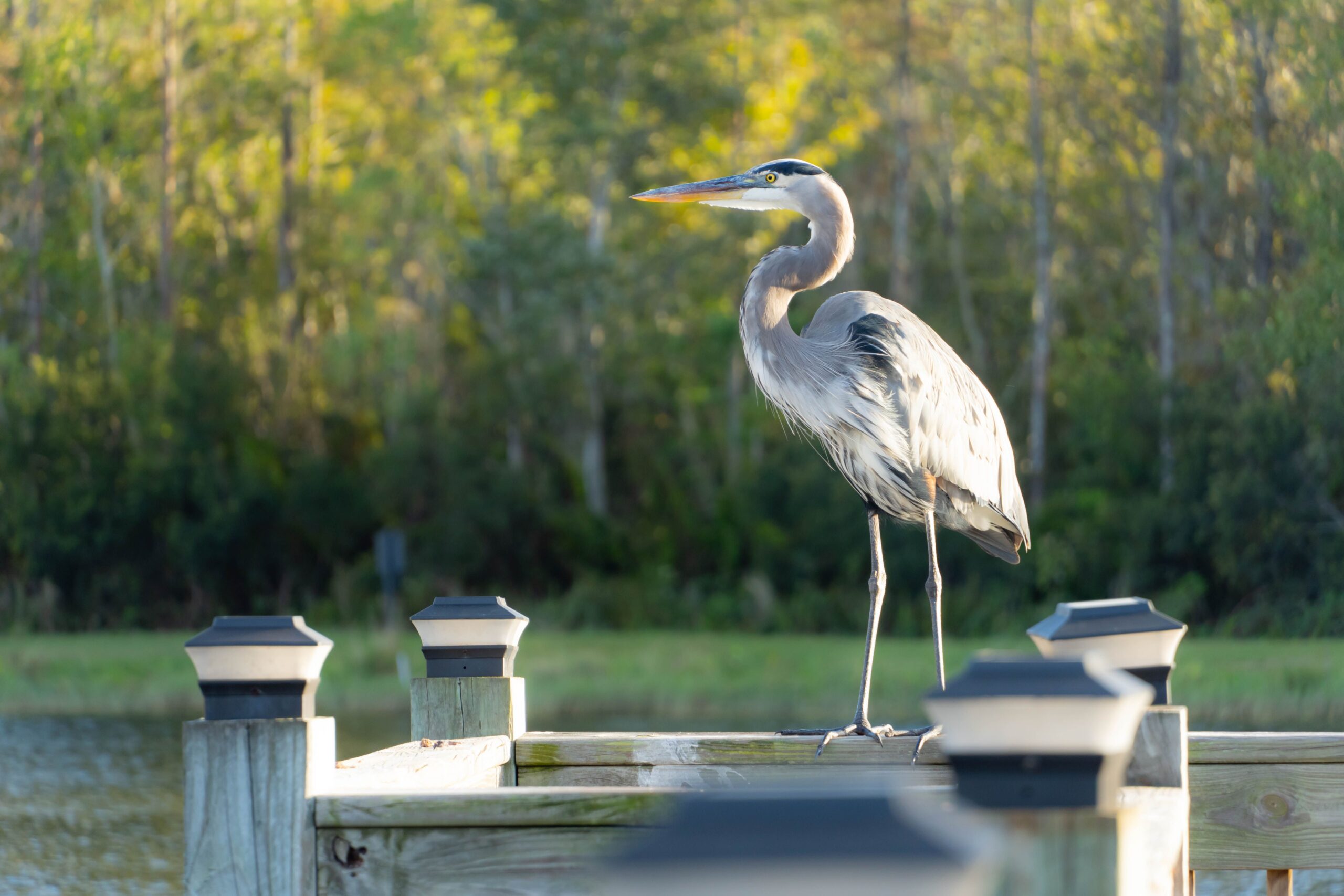
A 97-acre preserve with rugged nature trails, a boardwalk, a butterfly house, and an environmental center with small native animals. It also has a playground and picnic shelters, which makes it an easy half-day for families.
Four Mile Cove Ecological Preserve
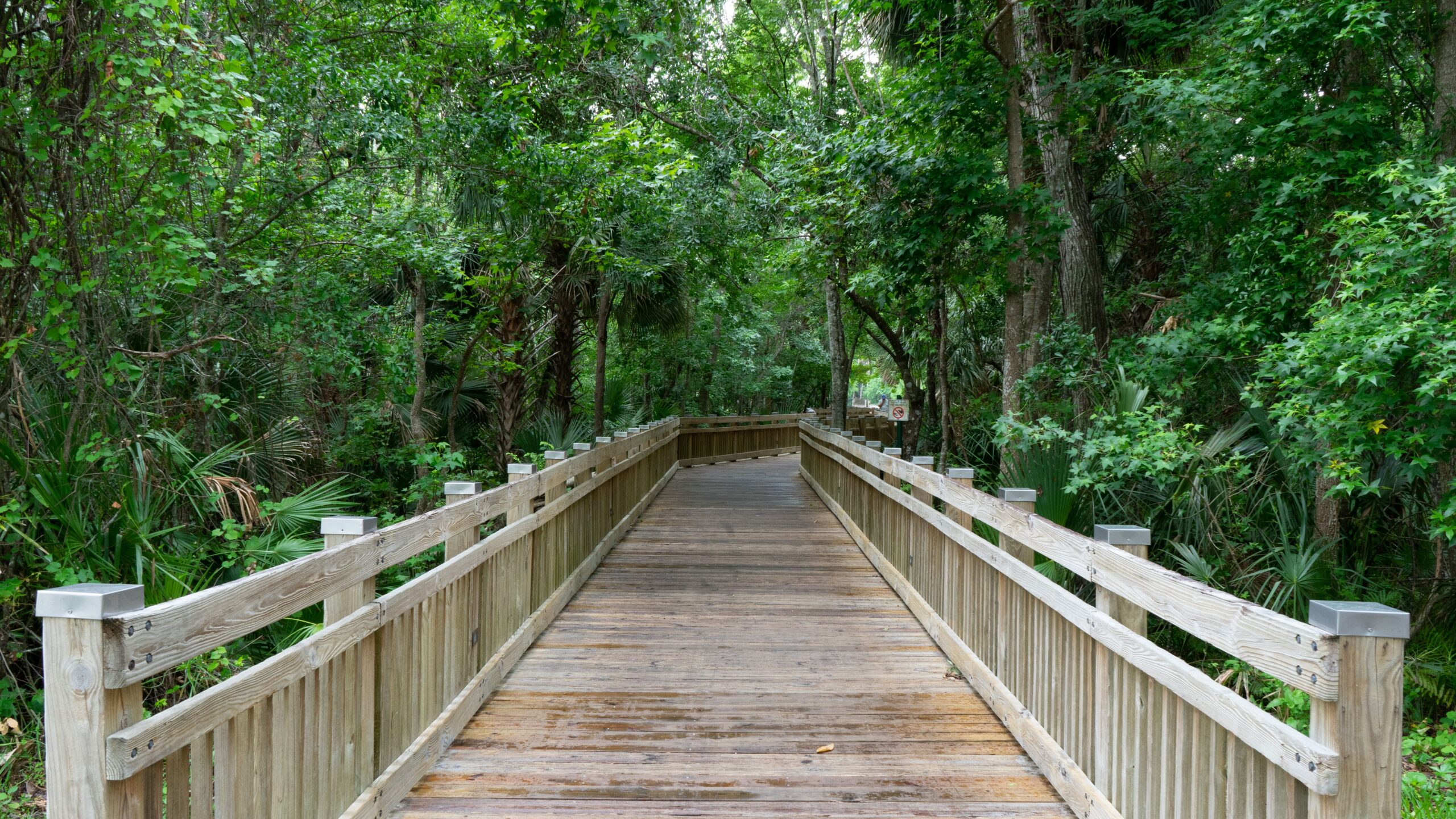
At 365 acres along the Caloosahatchee River, it’s Cape Coral’s second-largest preserve. An elevated boardwalk winds through the mangroves, with fishing piers, a Veterans Memorial area, and seasonal kayak rentals.

Four Freedoms Park
A 3.2-acre waterfront park on Bimini Basin with a small sandy beach, a playground, shaded picnic shelters, and a big lawn. It also hosts community events like concerts in the park.
Sirenia Vista Park
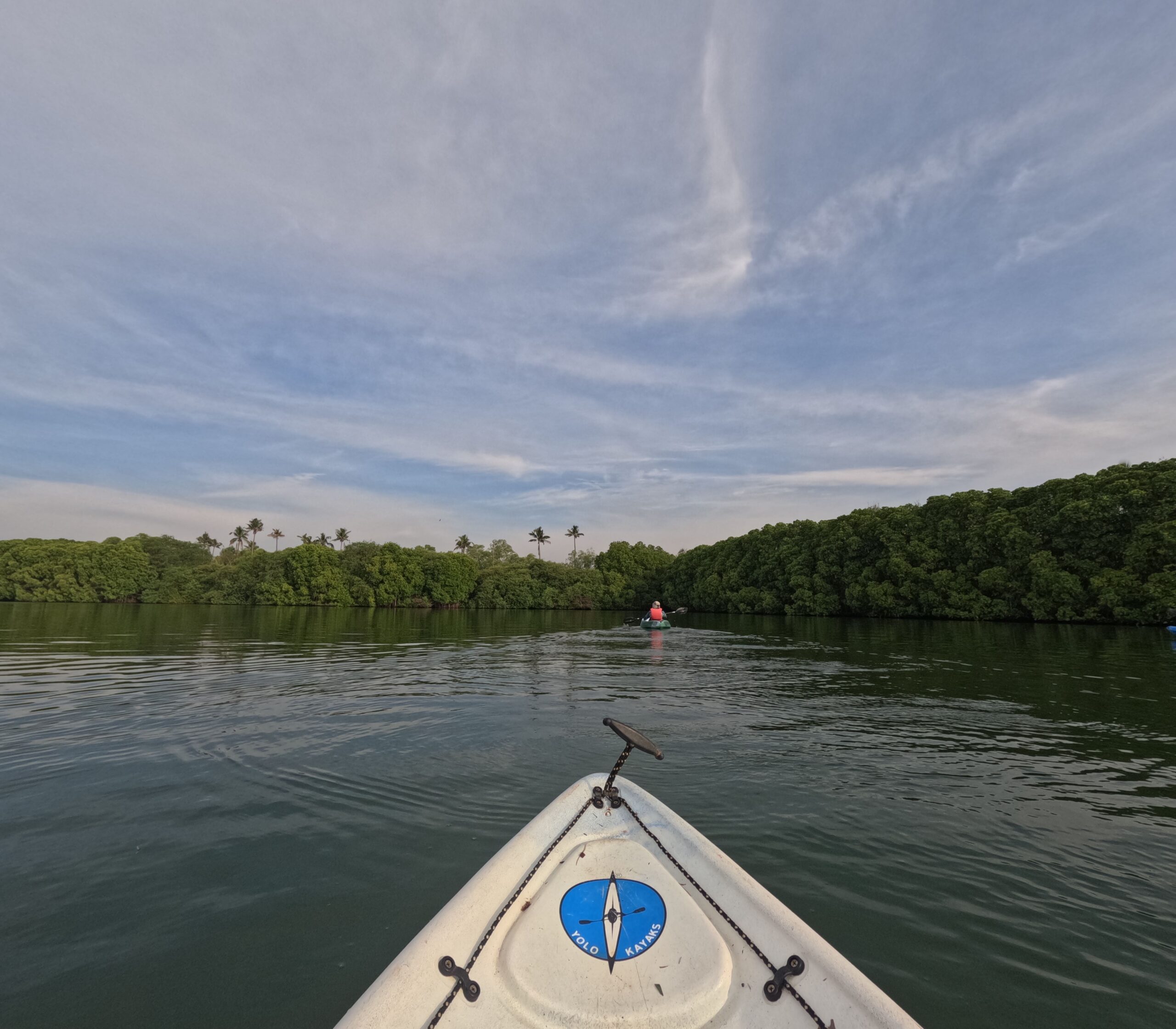
A compact 8-acre park in southwest Cape Coral that’s known for manatee viewing, especially in the cooler months. It also has fishing, a butterfly garden, birdwatching, and a kayak launch into the mangroves.
Jaycee Park
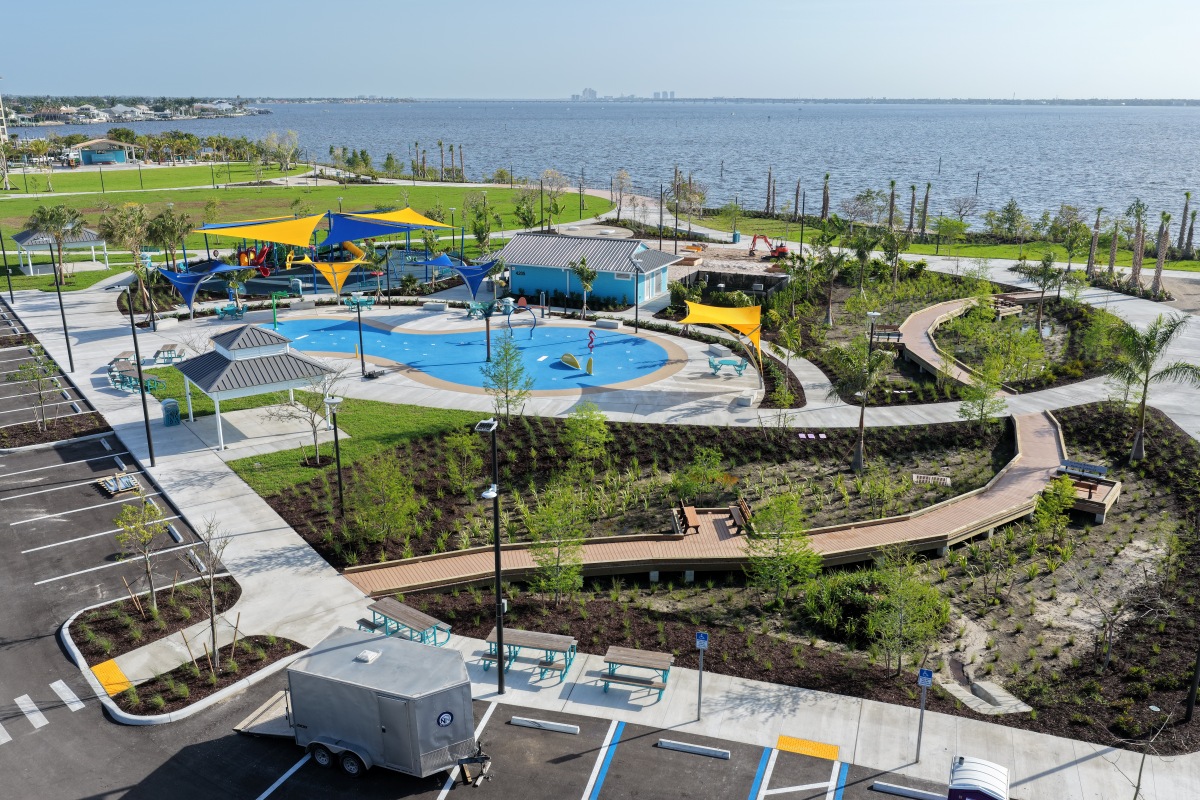
A riverfront park that reopened with major renovation. It now has a lighted boardwalk with Caloosahatchee views, an inclusive playground, and a 5,000-square-foot splash pad.
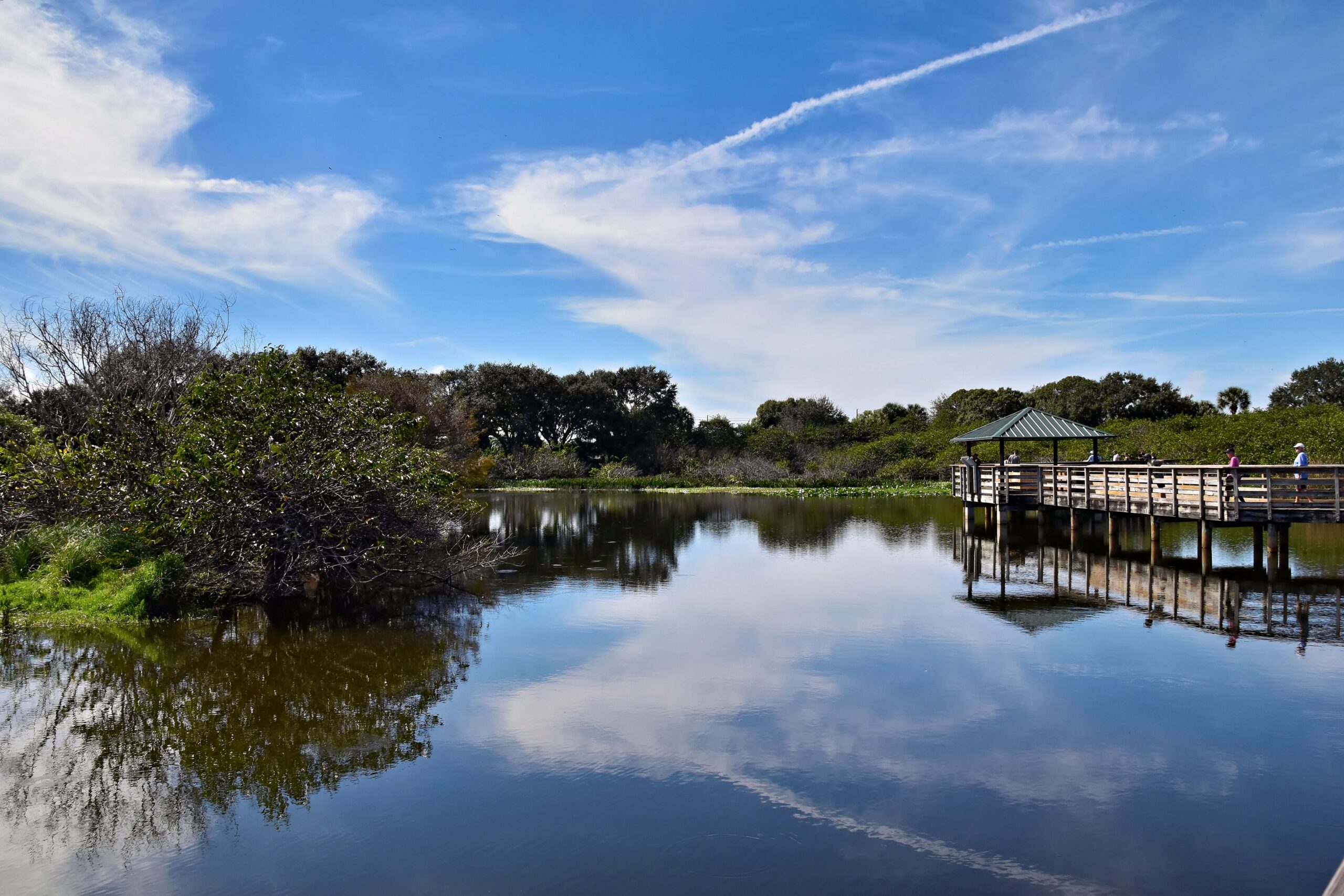
Charlotte Harbor Preserve State Park
The park is composed of 45,507 acres and protects more than 100 miles of shoreline along Charlotte Harbor. Visitors can take advantage of opportunities to hike, fish, paddle and observe wildlife in the park's many natural communities, including mangrove forests, marshes, scrub habitats and pine flatwoods.
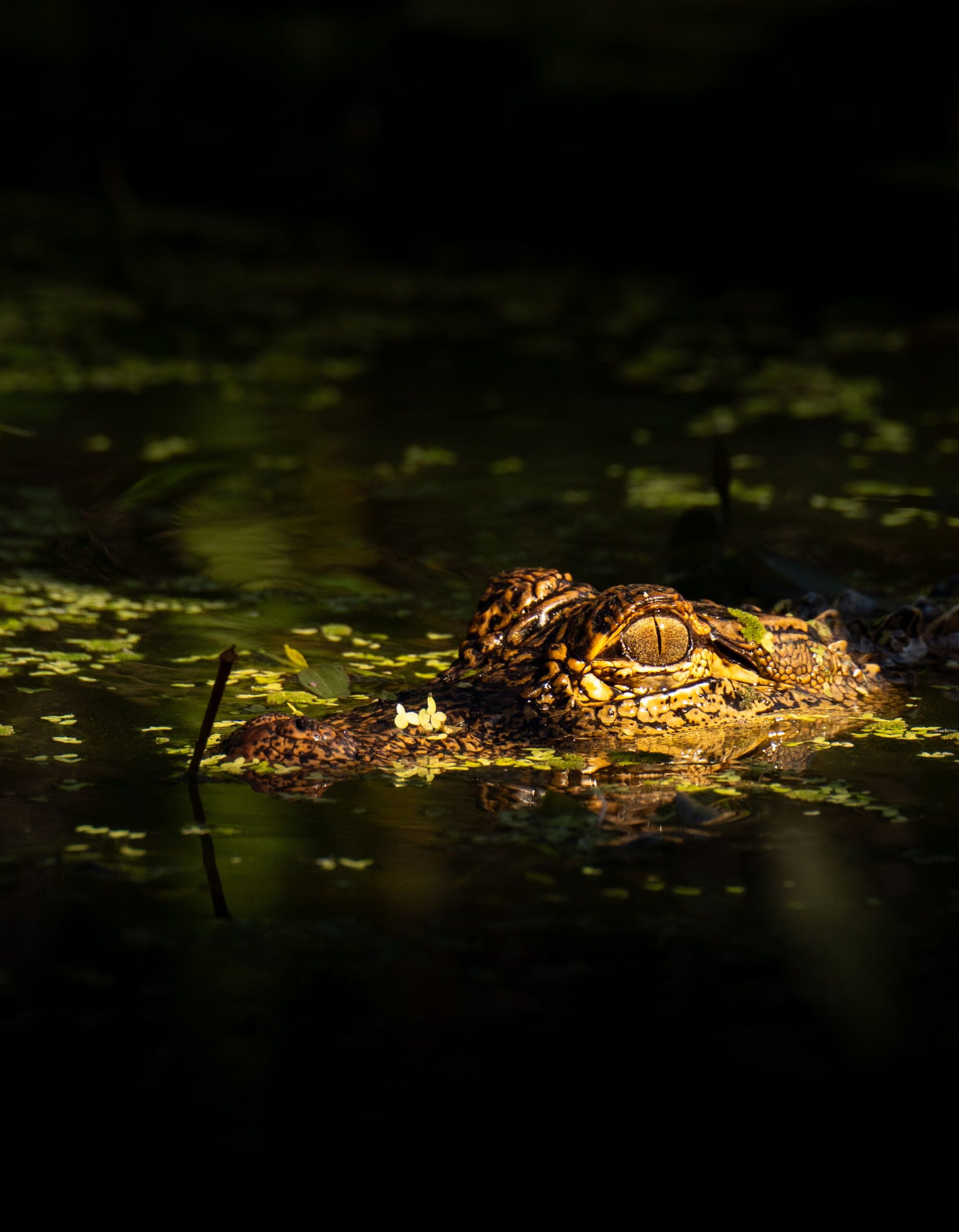
Six Mile Cypress Slough Preserve
Over 3,500 acres of wetland in Fort Myers, Florida. This linear ecosystem is home to a diverse population of plants and animals, including a few considered to be endangered.

Calusa Nature Center
The Calusa Nature Center and Planetarium is a private, not for profit, environmental education organization located in Fort Myers, Florida. The 105 acre site has a museum, three nature trails, a Planetarium, butterfly and bird aviaries, a gift shop and meeting and picnic areas.

Koreshan State Park
Journey into the past at the Koreshan Settlement, where history comes alive among houses and buildings dating back to the late 1800s. Uncover the fascinating story of the Koreshan Unity, a visionary community that lived, worked and thrived here for decades.
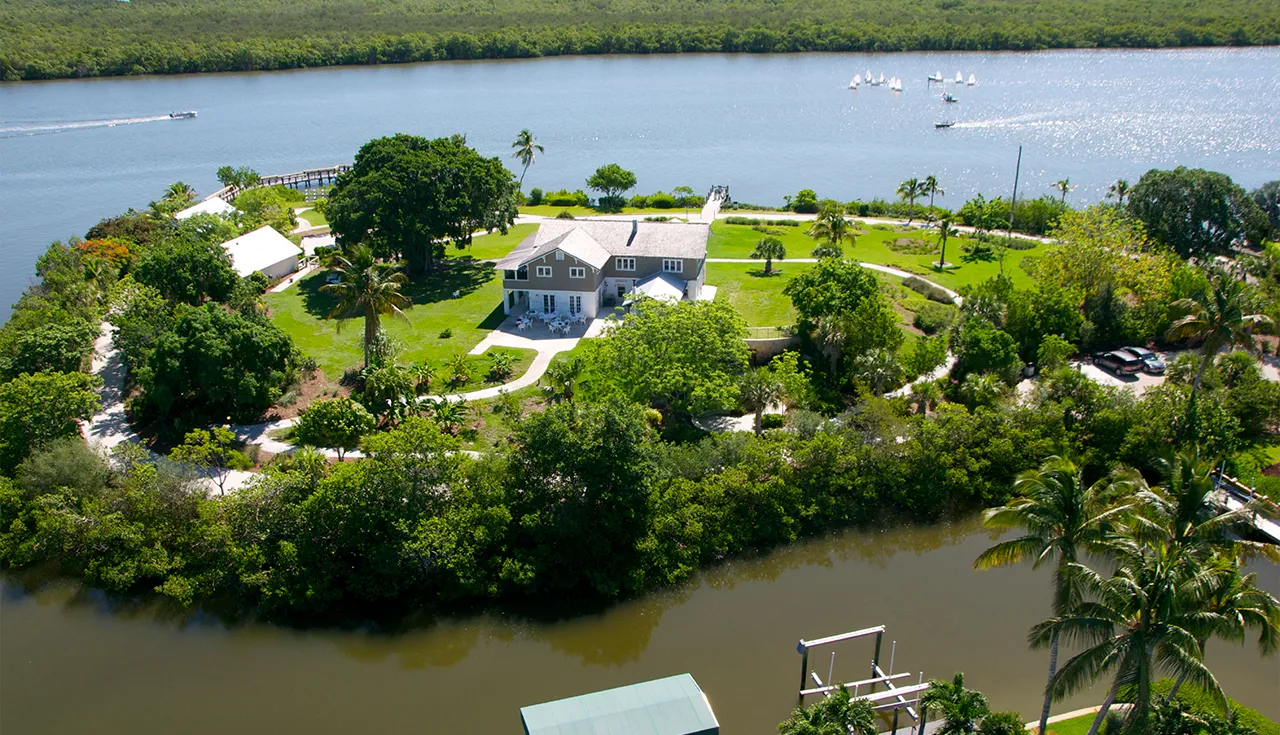
Mound House
Six exhibit museum details nearly 2,000 years of cultural and environmental history of our site. Home to many different cultures including Calusa and Seminole.

Lakes Regional Park
This 279 acre facility features 158 acres of freshwater quarry lake. The lake also supports an array of wildlife, including the American Alligator. A variety of birds including Ibis, Egrets, Herons, Cormorants and Anhingas will offer good bird watching. Other activities include bicycle rentals, miniature train rides, fishing, large playground, waterplay area, picnic areas, and more.

J. N. "Ding" Darling National Wildlife Refuge
The refuge is part of the largest undeveloped mangrove ecosystem in the United States. It is world famous for its spectacular migratory bird populations. J. N. "Ding" Darling is one of over 540 refuges in the National Wildlife Refuge System administered by the U. S. Fish & Wildlife Service.

ECHO
ECHO stands for Educational Concerns for Hunger Organization and is a non-profit, inter-denominational Christian organization located on a demonstration farm in North Fort Myers, FL. Guided tours of the Farm are available and teach visitors about agricultural issues in developing countries, while highlighting some solutions to growing food under harsh conditions. The farm has different demonstration areas on the farm teaching about various methods of farming and growing food in the different areas of the world.

Manatee Park
Opened in 1996, this 17 acre Regional Park is built and operated through a cooperative effort of partners & sponsors. While the land is owned by Florida Power & Light, the facilities were originally funded by Lee County Visitor & Convention Bureau. Optimum viewing times are between the months of November and March due to the cooler gulf temperature. Manatee Park is a non-captive refuge for the Florida Manatee. Manatees are generally not present during the warm summer months. The park has an extensive butterfly garden.
